Maybe you've wanted to see the Great Wall, eat real Sichuan food, or ride a 350 km/h bullet train for years — but a quiet voice keeps asking, "Is it actually safe? Will I be okay over there?" This guide takes every one of those worries seriously and answers them honestly, including the genuine downsides. The short version: China is one of the easiest and safest big trips a nervous first-timer can take — and the reality on the ground looks almost nothing like the headlines.
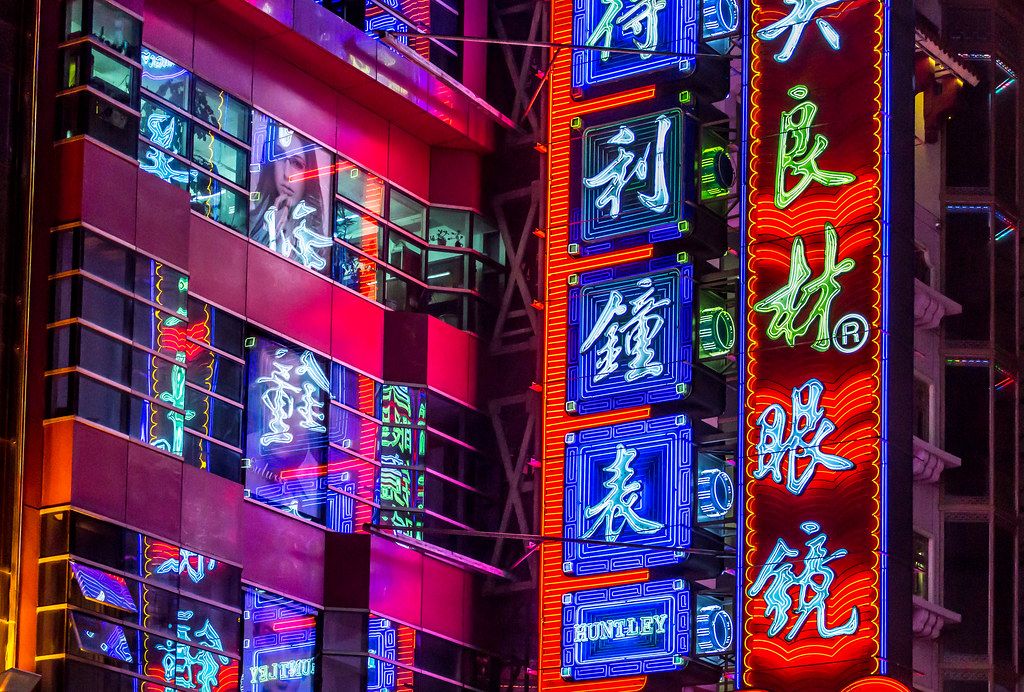
"I'll get mugged or attacked" → Violent crime is rare; petty scams are the real risk
Statistically, China is among the safest countries on earth for physical safety. Its homicide rate sits around 0.5 per 100,000 — lower than Japan and roughly ten times lower than the United States. Walking alone at night in Shanghai, Chengdu or Xi'an generally feels safer than in most Western cities. During the October 2025 Golden Week, hundreds of millions traveled domestically with no spike in tourist-targeted crime.
Reality: The thing most likely to cost you money in China is not a mugging — it's a friendly stranger running a scam (see Worry #7). Keep normal big-city awareness in crowds and you've handled 95% of the risk.
The honest caveats: pickpocketing exists in jammed markets and train stations, and crowds during peak season are genuinely intense. Watch your bag, and you're fine.
"I'll be hated as a Westerner or American" → Curiosity and hospitality are the norm
This is the fear that keeps the most people home, and it's the one most contradicted by actual travelers. Government-level rhetoric is real, but it rarely touches day-to-day interactions. Visitor accounts through 2025 overwhelmingly report warmth, curiosity, and people going out of their way to help — locals asking for selfies, shopkeepers proudly showing you how to pay, strangers walking you to your platform.
China welcomed 132 million international visits in 2024 and has leaned hard into expanded visa-free entry to attract more. Government ≠ people is the rule to remember.
Reality: Most Americans and Europeans report their interactions ranged from neutral to genuinely lovely. The biggest "intrusion" you'll face is usually someone wanting a photo with you.
"I'm being watched and tracked" → Cameras exist for order; tourists aren't the target
Yes, China has extensive CCTV and internet monitoring — that part is real and worth understanding. But the surveillance apparatus is aimed at domestic social control, not at logging which dumpling stall a Dutch tourist visited. Millions of foreigners pass through every year unremarkably.
Sensible data hygiene, not paranoia:
- Use a reputable VPN installed before you arrive (app stores block them once you're in-country) if you need Google, Instagram, WhatsApp or Gmail.
- Assume anything on the local internet is monitored; save banking and sensitive logins for your VPN.
- Random phone searches are very rare outside sensitive regions like Xinjiang and Tibet, where scrutiny genuinely is higher.
Reality: For an ordinary tourist on the Beijing–Xi'an–Shanghai route, the practical surveillance risk is close to zero. Bring a VPN for convenience, not for safety.
"I'll accidentally break a political law" → Everyday travel is apolitical
The advisory, honestly: If you Google this, you'll see the U.S. State Department lists China at Level 2, "Exercise Increased Caution" (as of 2026) — the same level as France, Italy, or Germany, not a "do not travel" warning. The specific reasons it cites are exit bans and wrongful detention, but read the fine print: these overwhelmingly target dual U.S.-Chinese nationals, people of Chinese descent, journalists, and those in business or legal disputes — not ordinary tourists on a sightseeing trip. If that's not you, an exit ban is not a realistic risk. If you are a dual national or have a pending business/legal matter in China, take the advisory seriously and consult a lawyer before you go.
You can travel China for three weeks and never brush against politics. The system cares about organized dissent, not your opinions over hotpot. A few genuine don'ts keep you completely clear:
- Don't post or carry materials critical of the Party, or maps depicting Taiwan, Tibet, Hong Kong or Xinjiang in ways that contradict official policy.
- Don't photograph military sites, some major bridges, or police actions.
- Don't join or film protests, and go easy on political debate with locals — they face more risk than you do.
- If asked your job, "journalist/writer" can invite extra questions; "teacher" or "engineer" is simpler if it's true.
Reality: Avoid a tiny list of sensitive topics and locations and you'll never notice the line. The vast majority of travelers don't come anywhere near it.
"It's not safe for solo or female travelers" → Among the safest places to go alone
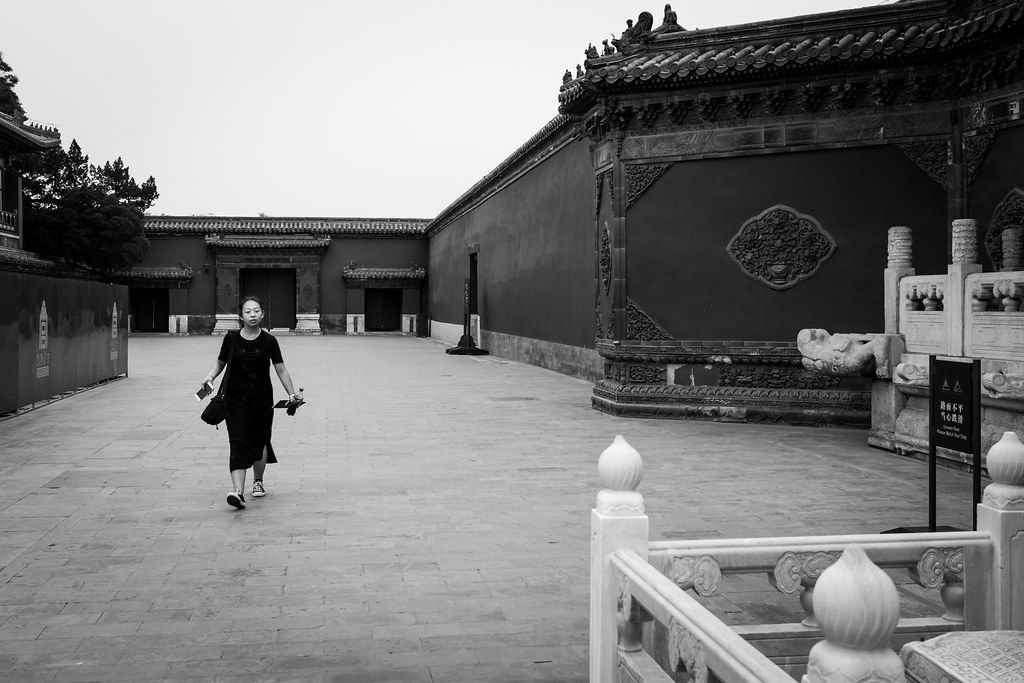
Solo female travelers consistently rank China among the safest countries they've visited. Late-night metros, night markets and well-lit streets feel secure; subway security checks are strict and ubiquitous.
Honest nuances:
- Staring and curiosity can replace Western-style catcalling, especially in less-touristed southern areas — intrusive, but rarely threatening.
- Persistent "add me on WeChat" requests happen; a firm bù yòng ("no need") works.
- Some cities offer women-only train carriages and apps with real-time safety features.
Reality: A normal level of urban caution is genuinely enough. Lost tourists here are far more likely to be escorted to their destination than taken advantage of.
"The food and water will make me sick" → Easy to eat well and safely
- Water: Don't drink the tap water — locals don't either. Bottled water is everywhere for under ¥3, and hotels/trains provide boiled water. Use bottled water for brushing teeth if you're cautious.
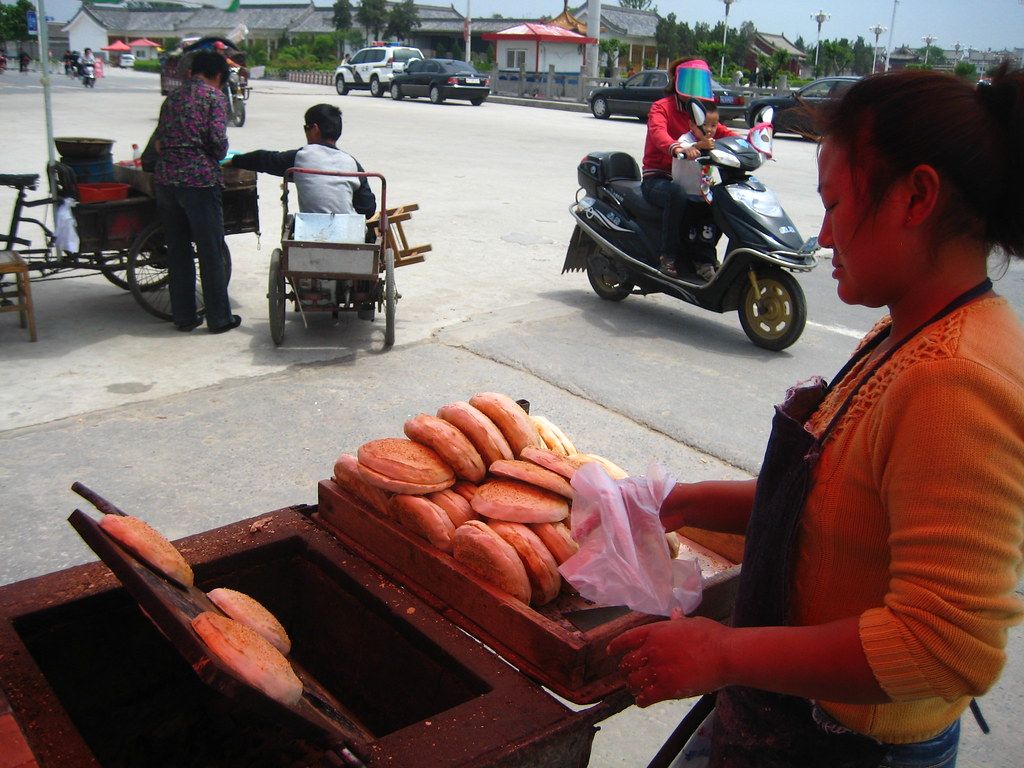
- Street food: Busy stalls with high turnover are your safest bet — fast cooking, fast selling, no time to spoil. Favor hot, freshly-cooked items; be more careful with raw or cold proteins.
- Air: AQI varies hugely by city and season. Summers and the south are often fine; northern cities (Beijing, Xi'an) can hit unhealthy levels in winter. Check IQAir or AQICN before you go and pack an N95 for October–March up north.
Reality: Get travel insurance — medical costs without it add up, though major cities have excellent hospitals with English-speaking international clinics.
"I'll get scammed" → Know these five and you're nearly immune
Almost every China scam targets tourists through friendliness, near major sights:
- Tea house scam: Charming "students" invite you to a traditional tea ceremony, then a ¥500–¥2,000 bill lands. Decline tea invitations from new acquaintances.
- Art student scam: A "young artist" guilts you into overpriced art. Just keep walking.
- Taxi / "broken" meter: Driver quotes a flat fare or claims the meter's broken. Insist on the meter — or skip it entirely.
- Black taxis: Unlicensed cars outside airports and stations. Ignore touts.
- Fake-money switch: Less common in a cashless economy, but verify change.
Reality: Use DiDi (China's Uber) for rides — fixed routes and prices kill taxi scams. And remember the golden rule: real locals wanting to practice English use apps, not tourist plazas.
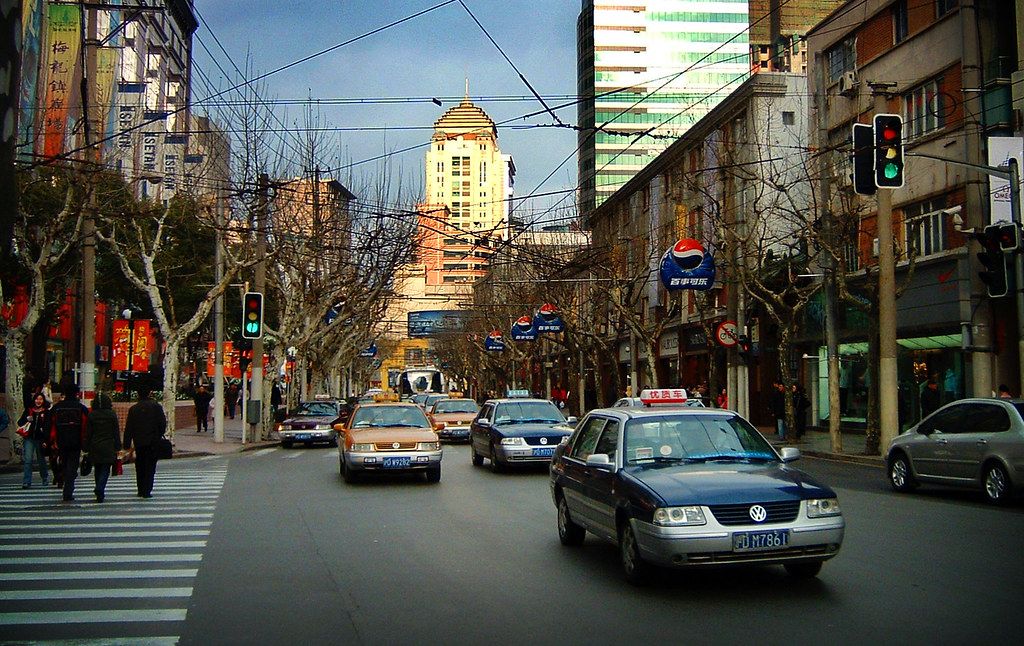
"I don't speak Chinese — I'll get hopelessly lost" → Tech makes it nearly impossible
This fear evaporates within a day. China runs on smartphones:
- Translation: Microsoft or Baidu Translate (with an offline pack); point-and-shoot camera translation reads menus and signs instantly.
- Navigation: Apple Maps works; Amap/Baidu Maps are excellent. Metros are bilingual and color-coded.
- The killer trick: Save your hotel's name and address in Chinese characters as a screenshot. Show it to any taxi driver and you're home.
- Payments: Bind a foreign Visa/Mastercard to Alipay or WeChat Pay before arrival — you'll pay for everything by QR code, which removes the language barrier entirely.
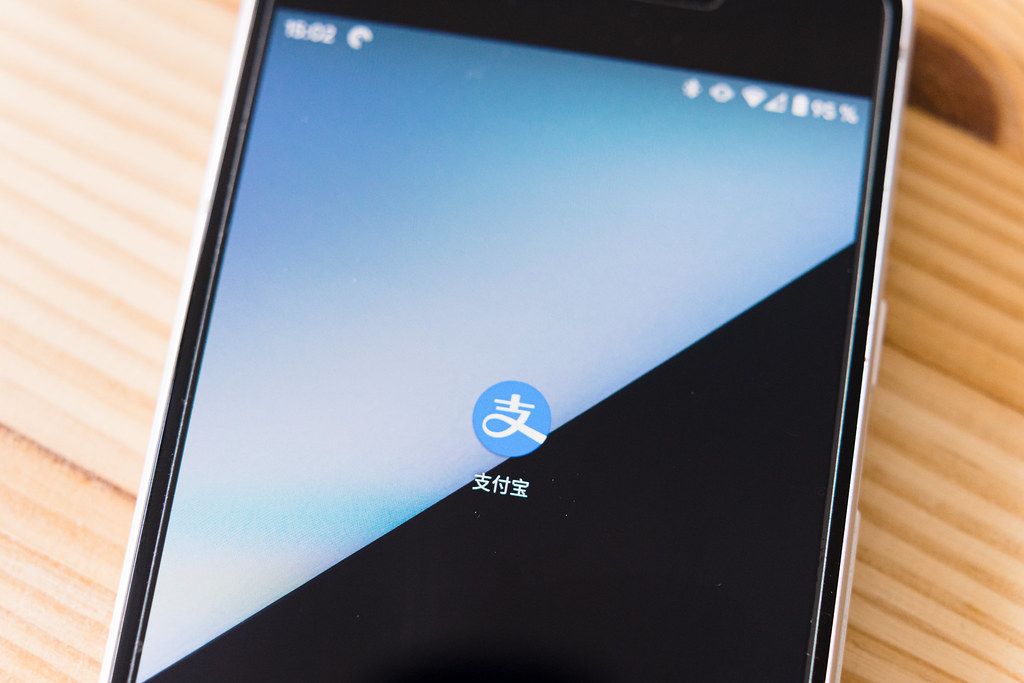
Reality: The real friction isn't getting lost — it's the Great Firewall blocking Google/Instagram/WhatsApp. Set up a VPN and your payment apps before you fly, and the rest is smooth.
"Is it even worth the hassle?" → It's the trip people wish they'd taken sooner
Ask returning travelers what surprised them and you hear the same three things: how kind people were, how absurdly easy it was, and how modern it felt. Spotless 350 km/h bullet trains, near-total cashlessness, food that reframes what you thought Chinese cuisine was, and a depth of history that's hard to overstate.
The honest trade-offs: squat toilets (carry tissues and hand sanitizer), big crowds at famous sites, the firewall, and air quality that demands a weather-style check. None of it is a dealbreaker — and none of it is the thing that was actually keeping you home.
Reality: The gap between China's reputation among people who haven't been and the experience of people who have is one of the widest in travel. Go.
Sources
- Is China Safe for Tourists? An Honest 2026 Safety Assessment — China Survival Kit
- Is China Safe for Tourists in 2026? Honest Advice — Chinavigators
- Is China Dangerous for Women? An Honest Solo Female Travel Guide — NomadSister
- Common Scams in China and How to Avoid Them — The Roaming Renegades
- China Travel Advisory — U.S. Department of State
- China Air Quality Index and Air Pollution Information — IQAir