Listen, forget whatever listicle you read on the flight over. Guangzhou (Canton) doesn't perform for tourists the way Shanghai or Beijing do — its soul is in a steamer basket of dumplings at 8am and a midnight bowl of porridge under a flickering 大排档 awning. Eat where the aunties eat, ride the metro everywhere, and you'll understand why we say 食在广州 — "to eat, go to Canton."
Start with Yum Cha (早茶) — This Is Non-Negotiable
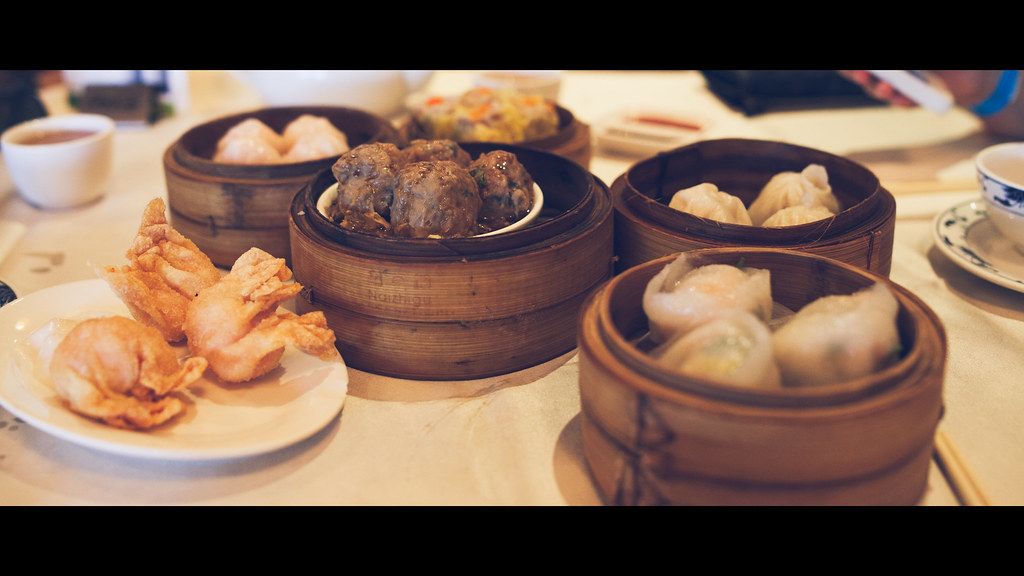
The single most Guangzhou thing you can do is 饮茶 — "drink tea," which actually means a sprawling morning feast of dim sum. The ritual is 一盅两件: one pot of tea, two dishes... except nobody stops at two. Go between 7:30 and 10:30am; weekends mean queues, so arrive early and put your name down.
Where to go, ranked by what locals actually think:
- 陶陶居 (Tao Tao Ju) — founded 1880, the grandest old-school house. Stunning interior, top-tier 虾饺 (har gow, shrimp dumplings with 3–4 whole prawns inside). Pricier, can get touristy at the 第十甫路 flagship, but worth it once.
- 点都德 (Dim Dou Tak) — the value pick. A newer chain but genuinely good and where young locals go. Per-person ¥60–80, eat until you burst. Order the 招牌虾饺皇 and 凤凰流沙包 (molten salted-egg-yolk custard buns).
- 泮溪酒家 (Pan Xi) — a classic garden restaurant by Liwan Lake. Go for the atmosphere as much as the food: 马蹄糕 (water chestnut cake), 白兔饺 (rabbit-shaped dumplings), 糯米鸡.
The canon to order: 虾饺 har gow · 干蒸烧卖 pork-and-shrimp siu mai (look for the orange crab-roe dot) · 叉烧包 fluffy BBQ-pork buns · 豉汁凤爪 braised chicken feet (trust me) · 肠粉 cheung fun (silky rice-noodle rolls, get the 牛肉 beef or 虾 shrimp) · 流沙包 salted-egg custard bun.
Local tip: When the server brings tea, tap two fingers on the table — that's the silent "thank you" gesture. And to refill the pot yourself, just leave the lid tilted open; the staff will know to come.
Cantonese Food Heaven — Beyond the Tea House
Canton is arguably China's greatest food city, and the depth shows up all day long.
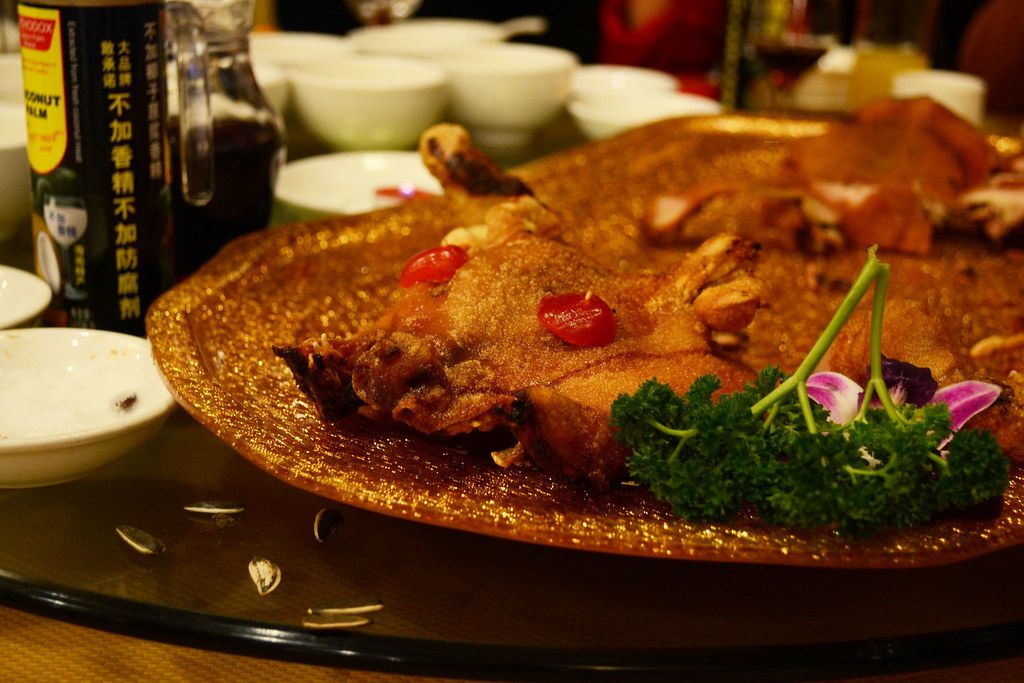
- 烧腊 (siu mei / roast meats): Lacquered 烧鹅 (roast goose, the local pride — crackling skin, juicy meat), 叉烧 char siu, 烧鸭. Hunt for a shop with birds hanging in the window and a queue of office workers.
- 老火靓汤 (slow-simmered soup): The heart of a Cantonese home. Herbal, restorative, simmered for hours. Order it at any 茶餐厅 or restaurant — locals drink soup before the meal.
- 双皮奶 (double-skin milk pudding): Silky steamed milk custard. 南信 (Nam Sun) near 上下九 is the institution since the 1930s (founded 1934). ~¥10–15.
- 艇仔粥: A "sampan congee" born on the Pearl River, loaded with fish, peanuts, scallion.
- Late-night 大排档: This is the real Guangzhou. Plastic stools, woks roaring, beer towers. 宝业路 (Baoye Lu) — the old open-air 大排档 strip was cleared in 2023 and reopened Dec 2025 as 宝悦坊 (Baoyue Fang), an enclosed, managed food block that keeps the old-brand restaurants and Chaoshan 砂锅粥 (clay-pot congee), minus the plastic-stool street sprawl.
Local tip: 宵夜 (late-night supper) is basically our fourth meal. If you want to feel the city's pulse, skip the early night and go eat congee or 牛杂 (beef-offal stew) at 11pm. That's when Guangzhou is most itself.
The Neighborhoods: Old Canton vs. Tourist Traps
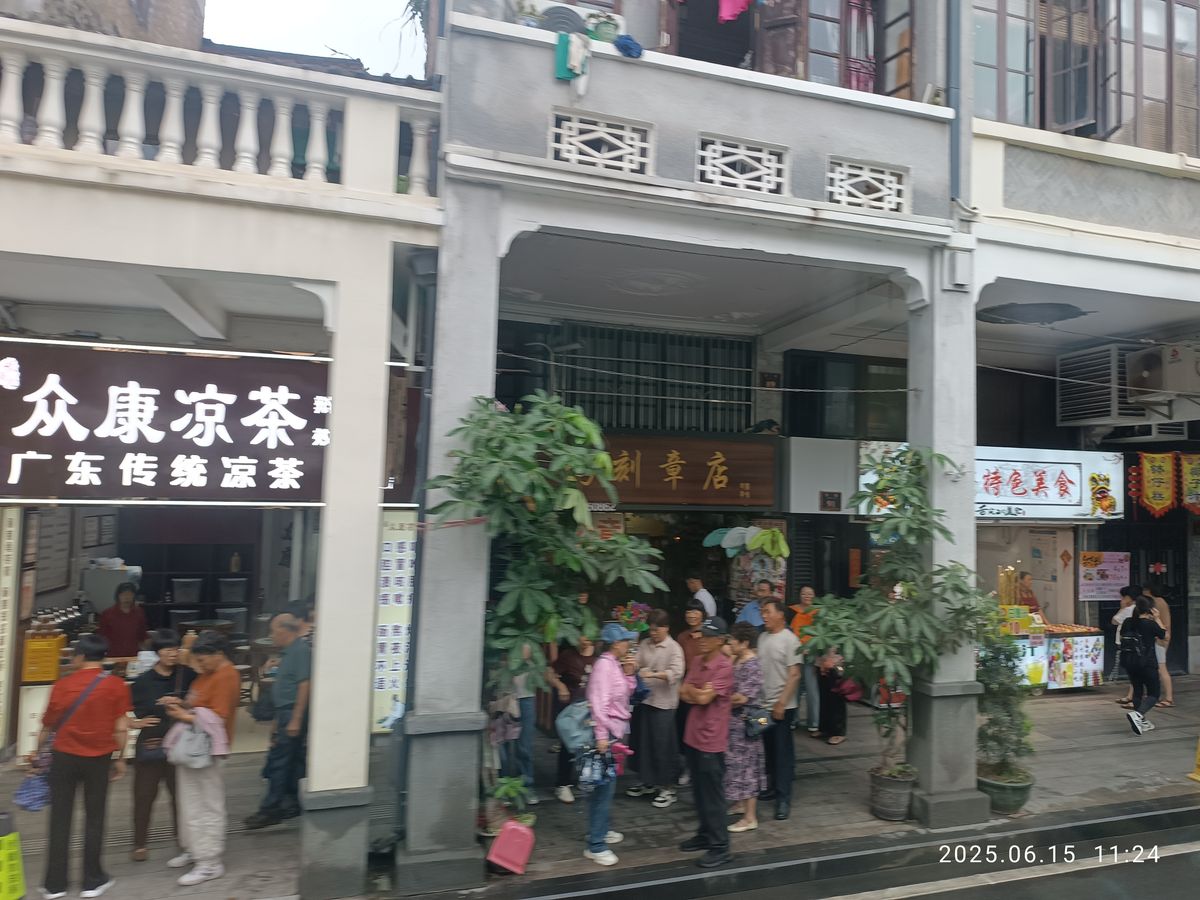
The old western district, 西关 (Xiguan), is the cultural heart, and how you walk it matters:
- DO: 永庆坊 / 恩宁路 (Yongqingfang / Enning Road) — beautifully restored 1920s–30s 骑楼 (qilou arcade) streets, Guangzhou's first intangible-heritage block. Bruce Lee's ancestral home, a Cantonese-opera museum, craft studios. Atmospheric, free to wander. Metro Line 1 to 长寿路.
- SKIP-ish: 上下九 (Shangxiajiu) — the famous pedestrian street is overcrowded and chain-heavy now. Go only for the old snack shops down the side alleys (陈添记 fish-skin, 银记肠粉, the street 牛杂 carts), then leave.
- 沙面岛 (Shamian Island) — a leafy former foreign concession of European mansions. Free, gorgeous, photogenic — but pricey to eat; walk over to Shangxiajiu for food instead. Metro Line 1 to 黄沙.
- 北京路 (Beijing Road) — central shopping street with a glass-covered archaeological dig of ancient road layers. Fine for an evening stroll; not a must.
陈家祠 (Chen Clan Ancestral Hall)
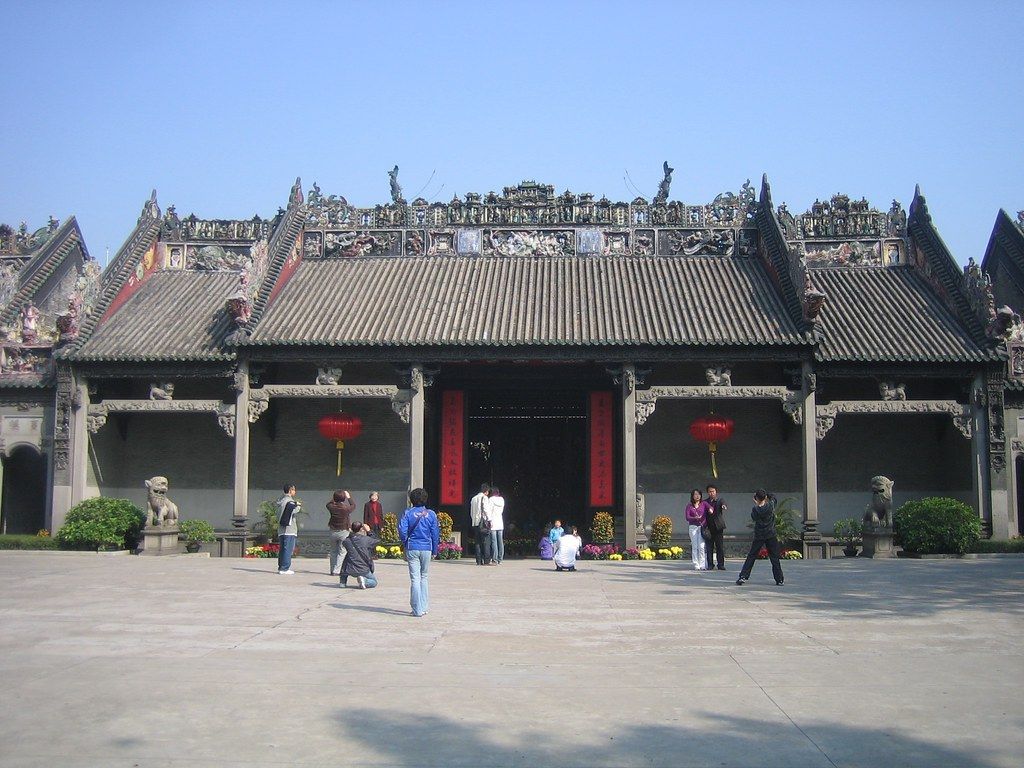
The finest surviving example of Lingnan (southern) folk architecture — roof ridges crawling with ceramic figurines, wood and stone carvings, ivory-like detail everywhere. Small but dense. Metro Line 1 to 陈家祠, Exit D, ~1 minute onto the square. Tickets ~¥10, booked in advance via the 广东民间工艺博物馆 WeChat account (no on-site window; closed Tuesdays).
Local tip: Pay for the guide or rent the audio explainer. Half the magic is understanding the stories carved into those ridges — without it, it's just pretty roofs.
Pearl River Night View + Canton Tower
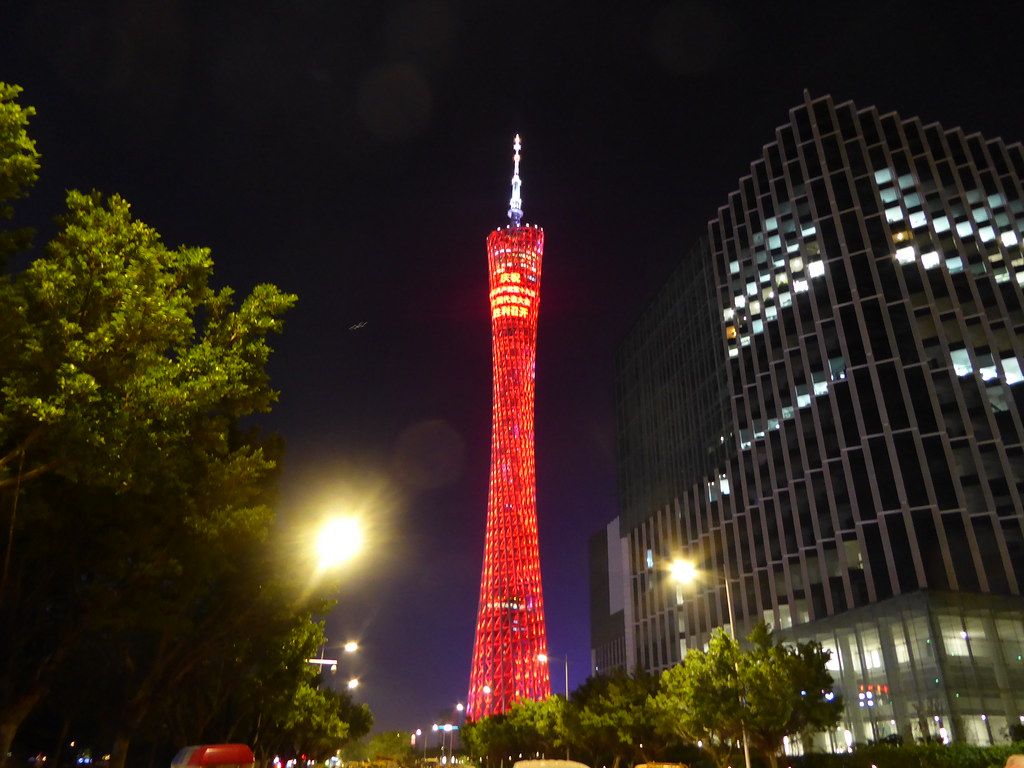
The 珠江 (Pearl River) at night is the city dressed up — both banks blazing with light. You'll be pushed toward the night cruise (~¥100–150), but here's the honest local move:
Local tip: Skip the boat. Go to 二沙岛 (Ersha Island)'s eastern Art Park — locals call it the single best free view of the 小蛮腰 ("Little Waist," our nickname for Canton Tower) and the river. Same skyline, zero ticket.
As for 广州塔 (Canton Tower) itself: the indoor observation deck is ¥150, and plenty of locals will tell you 没必要登 — not worth going up. The tower is most beautiful from the outside, lit up. Admire it from the riverbank and save your money for food.
A Perfect Local Day
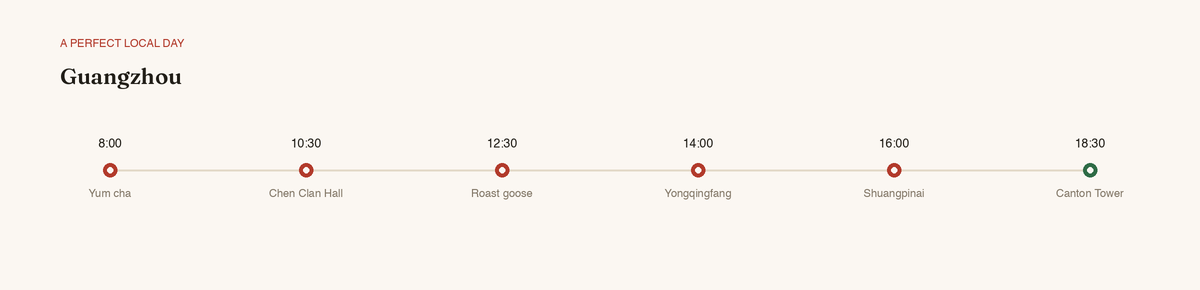
- 8:00am — Yum cha at 点都德 or 陶陶居. One pot of tea, a table of dim sum.
- 10:30am — Metro to 陈家祠 (Line 1). Slow walk with the audio guide.
- 12:30pm — Lunch: 烧鹅 + a bowl of 老火靓汤 near Xiguan.
- 2:00pm — Wander 永庆坊 / 恩宁路 arcades, then 沙面岛 for photos.
- 4:00pm — 双皮奶 at 南信 + a side-alley snack crawl off 上下九.
- 6:30pm — Sunset at 二沙岛, then the Canton Tower lights up across the river — no ticket needed.
- 10:30pm — Late-night 大排档 on 宝业路: clay-pot congee, beer, plastic stools. This is Canton.
Getting Around
- Metro is king — clean, cheap (¥2–14), signs in English. Pay by scanning WeChat/Alipay QR at the gate; no card needed.
- Pair it with a shared bike for the last stretch. Don't taxi to Canton Tower — traffic is brutal; take Line 3 to 广州塔站.
- Cash is nearly dead; set up Alipay or WeChat Pay before you arrive.
Local tip: Build your whole trip around Line 1 — it strings together 陈家祠, 长寿路 (Yongqingfang), and 黄沙 (Shamian). You can do most of "old Canton" without ever leaving one line.