Here is the most reassuring thing to know before your first trip: almost nobody expects you to get it all right. Chinese hospitality runs deep, and as a visiting foreigner you'll be met with far more curiosity and warmth than judgment. People will happily show you how to hold chopsticks, pour your tea, or order the good dishes. A genuine smile, a little effort, and a willingness to follow your hosts' lead will carry you through almost any situation. Think of what follows not as a minefield to tiptoe across, but as a handful of small, kind gestures that earn goodwill and make people light up because you bothered to learn them.
Dining: The Heart of Chinese Social Life
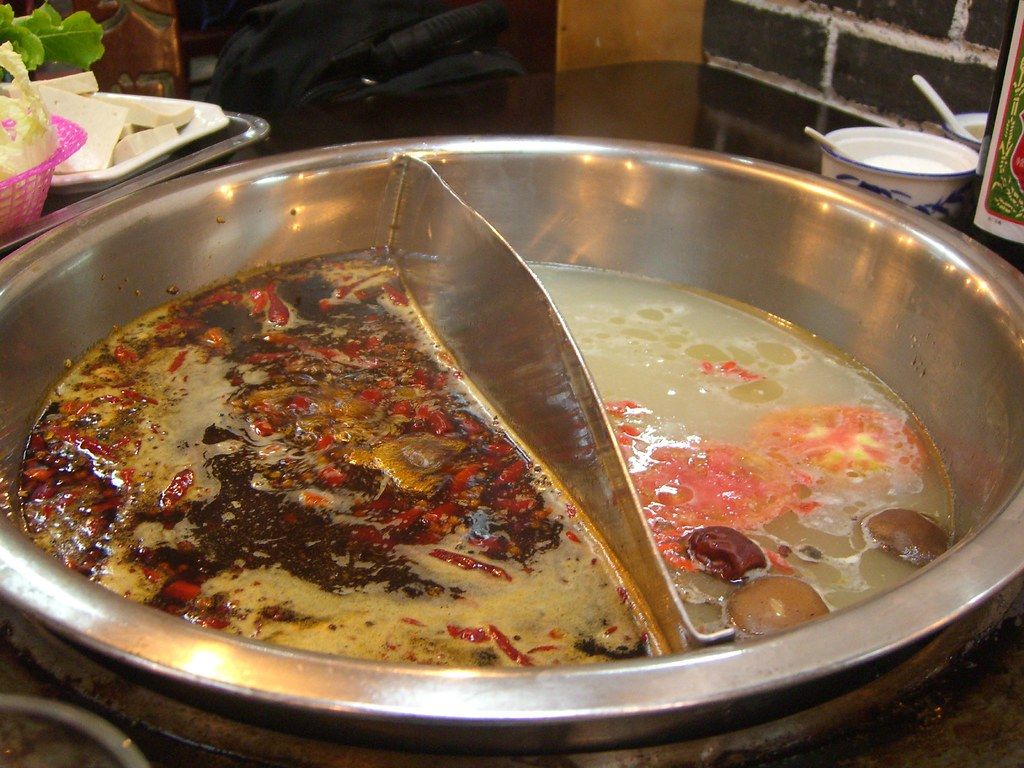
Meals are where most of the cultural action happens, and they're wonderfully communal. Dishes arrive in the center of a round table — often on a rotating glass lazy Susan — and everyone eats from shared plates. A few easy norms:
- Let the host seat you and order. The seat facing the door is usually the host's or guest of honor's; wait to be directed. The host takes pride in ordering, so a simple "I'll happily eat anything" is the perfect answer.
- Turn the lazy Susan gently, and never when someone is mid-serve. Don't spin a dish away while a neighbor's chopsticks are reaching.
- Serve others before yourself when you can — topping up a neighbor's tea or putting a piece of food on their plate is a warm gesture.
On chopsticks, two things genuinely matter, and the rest is forgivable:
- Don't stick chopsticks upright in a bowl of rice. This resembles incense at a funeral and reads as a bad omen. Rest them on the chopstick holder or across your bowl instead.
- Don't tap your bowl with them or use them to point at people. Tapping bowls is associated with begging.
Pro tip: Spearing food, dropping things, or fumbling your grip is all completely fine. Locals do it too, and nobody is grading you.
Slurping noodles and soup is normal and even appreciated — it signals enjoyment, so don't fight your instincts to eat quietly. Likewise, leaving a little food on your plate traditionally signals you've been well fed, though cleaning your plate is also fine in modern, anti-waste China.
Toasting, Ganbei, and Declining Alcohol Gracefully
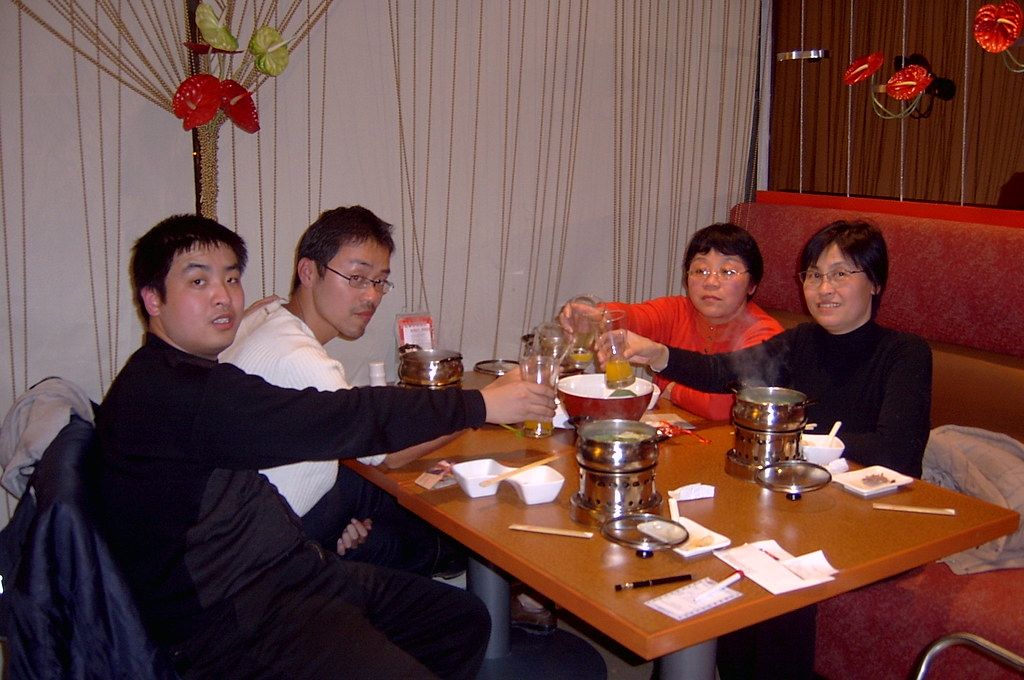
Toasting is central to Chinese banquets. Someone will raise a glass and say "ganbei" (干杯), literally "dry the cup" — an invitation to drink, sometimes to finish it. A nice touch: when clinking glasses with someone senior, hold your glass slightly lower than theirs as a sign of respect.
You are not obligated to drink alcohol or to match anyone shot for shot. To decline politely:
- Toast with tea, juice, or soda instead — raising any glass counts. "I'll toast you with tea" is universally accepted.
- Cite driving, medication, or health if you want an easy, face-saving reason. These are always respected.
- Keep it warm and smiling. A firm-but-friendly "I don't drink, but I'm honored to toast you" works everywhere.
Who Pays: The Friendly Bill Battle
Don't be alarmed if, at the end of a meal, people vigorously compete to pay the bill — sometimes physically reaching for it. This is a sincere expression of generosity and host duty, not a fight. As a guest, you can offer once or twice, but the person who invited you will usually insist, and letting your host win graciously is the polite outcome. You can return the kindness by hosting next time or offering a small treat later. Splitting the bill ("AA制") is increasingly common among younger friends, so don't be surprised by that either.
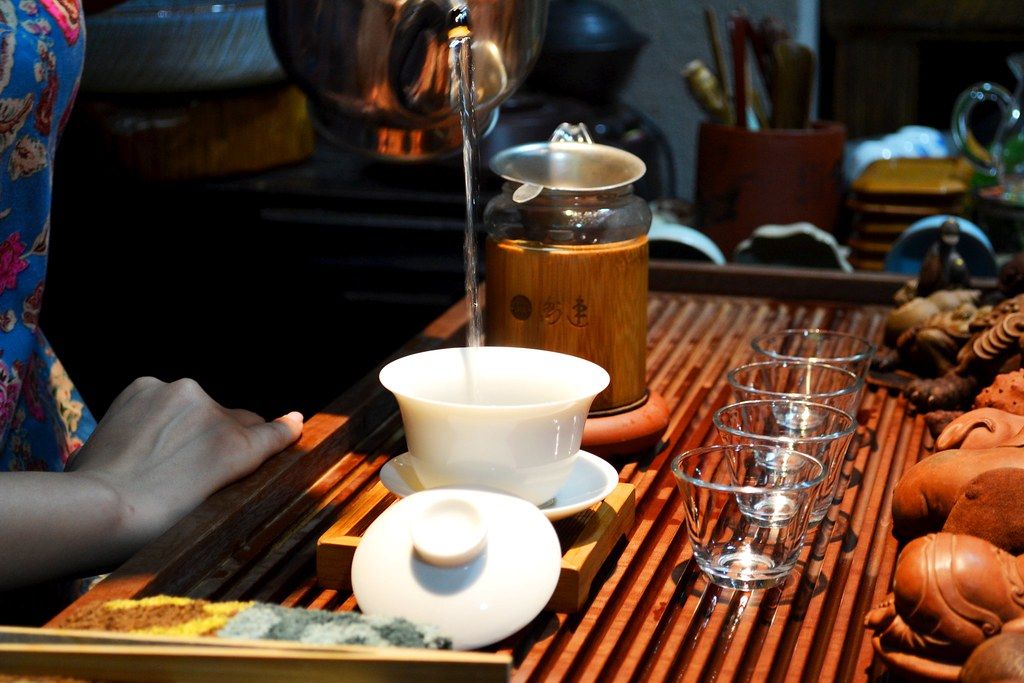
Pro tip: When tea is poured for you, tap two fingers (or your knuckles) gently on the table twice. It's a silent, elegant "thank you" — and using it will charm everyone at the table.
Tipping: You Really Don't Need To
Here's a relief for your wallet and your nerves: tipping is not customary in mainland China. Restaurants, taxis, and most services don't expect it, and leaving cash can occasionally cause mild confusion or a server chasing you down thinking you forgot your change. The norm is changing slightly in a few places — upscale international hotels, private tour guides, and drivers on organized tours may now appreciate a tip — but as a default, paying the listed price in full is perfectly polite. When in doubt, don't tip; you're not being cheap, you're being normal.
Face (面子) and Keeping Your Cool
"Face" (面子, miànzi) is roughly someone's public dignity and reputation, and protecting it is one of the kindest things you can do. The practical takeaways are simple:
- Avoid public confrontation. If there's a problem, address it calmly, privately, and with a smile rather than raising your voice or demanding to "speak to a manager" in front of a crowd.
- Praise generously, criticize gently. Compliments given in public, concerns raised in private.
- Stay composed when things go wrong — a delayed train, a mix-up, a misunderstanding. Keeping cool preserves everyone's face and almost always resolves things faster. Losing your temper rarely helps and can make a small issue worse.
Greetings, Space, Queues, Volume, and Smoking
- Greetings are usually a friendly handshake or simply a nod and a smile. Hugs and cheek-kisses aren't the norm with people you've just met, so let the other person set the level of contact.
- Personal space in busy cities is tighter than many Westerners are used to, especially on transit. It's not rudeness — just density.
- Queuing is improving fast but can be loose in crowded spots; hold your spot calmly and don't take pushing personally.
- Volume in restaurants and public spaces tends to run livelier and louder than in the West. A boisterous room means people are having a good time.
- Smoking is still common among some men, including occasionally indoors in older venues, though smoke-free rules in cities are tightening. If someone offers you a cigarette, a polite "no thanks" is completely fine.
Visiting a Home and Giving Gifts
If you're lucky enough to be invited into someone's home, bring a small gift — it's always appreciated. Good choices include nice fruit, quality tea or coffee, sweets, alcohol, or something representative of your home country. A few things to avoid for superstitious reasons:
- Clocks — giving a clock (送钟, sòng zhōng) sounds like "attending a funeral."
- Sharp objects like knives or scissors — they symbolize "cutting" a relationship.
- Sets of four — the number four (四) sounds like "death." Lucky numbers like 6 and 8 are great.
- Avoid white or black wrapping (funeral colors); red and gold are festive and safe.
Give and receive gifts — and business cards — with both hands. Don't be surprised if your host declines a gift once or twice before accepting; politely insisting is part of the dance. Your host may not open the gift in front of you, and that's normal.
Photography, Sensitive Topics, and Temples
Always ask before photographing people, especially elders, children, or anyone in a private moment — a smile and a gesture toward your camera is enough. Avoid photographing military sites, police, government buildings, and security checkpoints, where photography can be genuinely off-limits.
On conversation, let locals lead on politics and sensitive history. Most people are far more interested in chatting about food, family, travel, and where you're from. If a sensitive subject arises, it's perfectly fine to listen warmly and not push your own opinions.
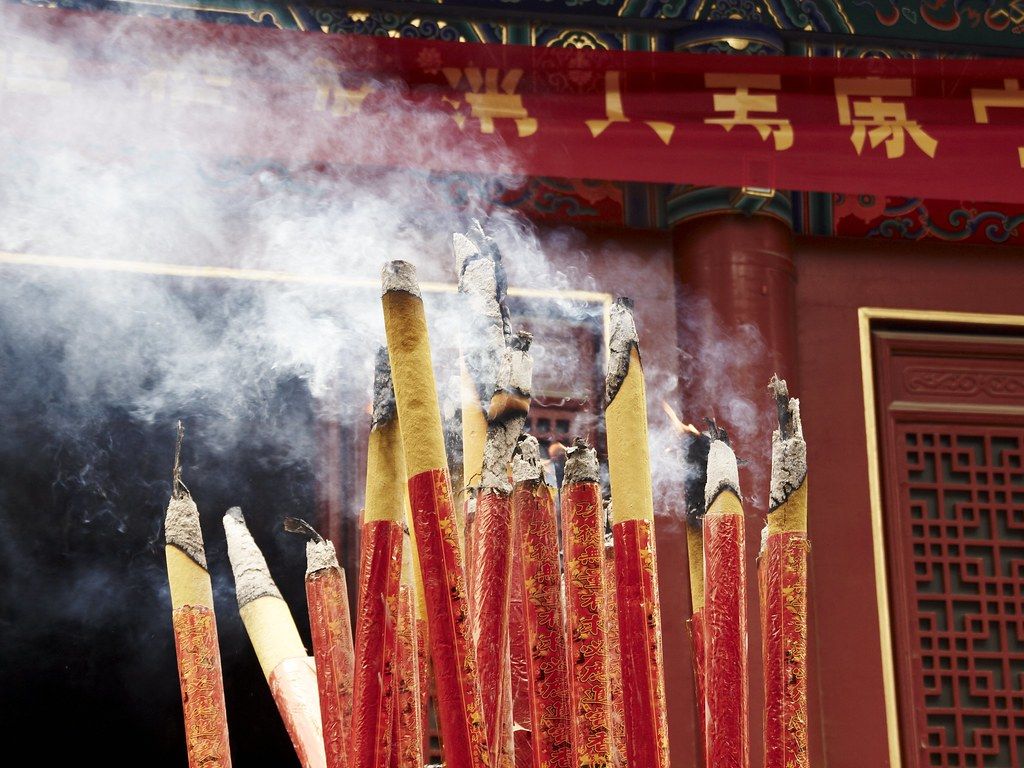
At temples and other sacred sites, dress modestly (shoulders and knees covered), keep your voice low, and ask before photographing Buddha statues or monks. Step over thresholds rather than on them, and don't point your feet (or the soles of your shoes) directly at a Buddha image when sitting — it's considered disrespectful.
10 Things That Earn Instant Goodwill
- Learn "nǐ hǎo" (hello) and "xièxie" (thank you) — even imperfectly, people love it.
- Set up Alipay or WeChat Pay before you go; near-cashless China runs on QR codes.
- Accept the tea or water offered to you; it's a gesture of welcome.
- Do the two-finger tap to thank someone for pouring your tea.
- Use both hands to give and receive cards, gifts, and money.
- Let your host order and pay, then thank them warmly.
- Toast back when toasted — with tea if you don't drink.
- Carry the host's business card and treat it respectfully, not shoved in a back pocket.
- Stay calm and smiling when things go sideways.
- Compliment the food — it's the fastest route to a Chinese person's heart.
Above all, relax. You will make a few small mistakes, everyone does, and the overwhelming response will be patience and warmth. Your effort is the gift.